A group of people put their hands together to show their bond


Making your au pair feel at home

Welcoming an au pair is about more than having everything ready for their arrival. They are joining a new family, adapting to new routines and often settling into a new country at the same time. Feeling at home takes time, but the way you welcome, include and communicate with your au pair can make that transition much easier. 

Here are some simple ways to help your au pair feel comfortable, connected and part of your family from the beginning.

1. How can you build a connection before your au pair arrives?

You do not have to wait until arrival day to start getting to know each other.

Regular messages and video calls can help everyone feel more familiar before the stay begins. Introduce your au pair to the children, pets and other people they are likely to spend time with, and keep some of the conversations relaxed and personal.

Ask about their interests, favourite foods, hobbies or what they are most looking forward to. These small conversations can make the first meeting feel much more natural and help everyone feel less nervous about the start of the stay.

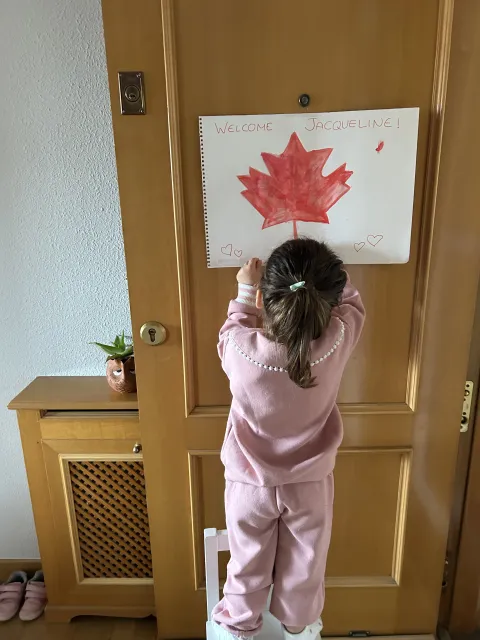
Welcome sign for au pair

2. What makes an au pair feel genuinely welcome?

A warm welcome does not need to be elaborate. Small gestures can make the arrival feel much more personal, for example:

  • a favourite snack
  • a short welcome note
  • a drawing from the children
  • a relaxed family dinner

The most important thing is that your au pair feels expected and that you are genuinely happy to have them there.

At the same time, remember that they may be tired after travelling and taking in a lot of new information. Give them some time to unpack, rest and settle in before going through every routine and responsibility.

Still preparing for your au pair’s arrival? See our guide to Preparing for your au pair’s arrival for the practical things to organise beforehand.

3. How to help your au pair settle into their new surroundings?

Even simple everyday things can feel unfamiliar at first. Show your au pair around the neighbourhood and explain how everyday life works in your area. It can help to point out:

  • public transport connections
  • supermarkets and pharmacies
  • cafés, parks or local markets
  • gyms, language schools or other places they may enjoy
  • useful places they can visit in their free time

The aim is not only to help them get around, but also to help them feel more independent.

Most importantly, give them time to find their feet. They do not need to understand everything immediately.

Au pair with host family at the Park

4. How much should you include your au pair in family life?

Feeling included can make a big difference, especially in the first few weeks.

Invite your au pair to join family dinners, birthdays, outings or celebrations so they have the chance to get to know everyone beyond their childcare responsibilities.

At the same time, remember that their free time is their own. They may want to meet friends, explore the area or simply spend time alone. The aim is to make them feel welcome to join, not obligated to spend all of their free time with the family.

5. Why are clear expectations part of a good welcome?

Feeling at home is easier when you know where you stand.

Talk openly about working hours, childcare responsibilities, the children’s routines and any household expectations that are especially important to your family. Even if you already discussed these things before the stay, it helps to go through them again once your au pair has arrived and can see how everything works in practice.

Try not to assume that something is obvious simply because it is normal in your household. Clear communication should also work both ways. Your au pair should feel comfortable asking questions, raising concerns or saying when something is unclear.

More information: Setting clear expectations

6. How often should you check in with your au pair?

Do not wait until something goes wrong to ask how things are going. Especially during the first few weeks, a short regular check-in can help you understand how your au pair is settling in.

You could ask:

  • How are you settling in?
  • Is the schedule working well?
  • Is anything still unclear?
  • How are things going with the children?
  • Is there anything you would like to do differently?

These conversations do not need to feel like formal meetings. What matters is creating space for honest communication before small misunderstandings become bigger problems.

Au pair with friends in Paris

7. How to help your au pair build a life outside your family?

Feeling at home in a new country is about more than feeling comfortable inside the host family’s home.

Encourage your au pair to explore, meet other au pairs, join a language course, make friends or continue hobbies they enjoy.

Having their own social life can help them feel more independent and connected to their new surroundings.

You can support this by sharing local recommendations, suggesting places to meet people or simply encouraging them to make the most of their free time.

8. How can you support your au pair while they adjust?

Adjusting to a new country, family, language and routine takes time.

Your au pair may feel homesick, tired or unsure of themselves, especially at the beginning. They may also make mistakes while learning how your household works.

Try to approach these moments with patience.

Explain things clearly, give them room to ask questions and remember that confidence usually develops over time. Feeling able to say “I’m not sure” without being judged can make a big difference to how comfortable someone feels in a new home.

Feeling at home takes time

There is no single gesture that will instantly make an au pair feel at home.

It is usually the combination of small things: being included without pressure, knowing what is expected, having someone to talk to and being given enough time to adjust.

A warm welcome can set the tone for the stay, but belonging develops over time through patience, communication and mutual respect.